THIS IS NORESCA
Senaste inlägg
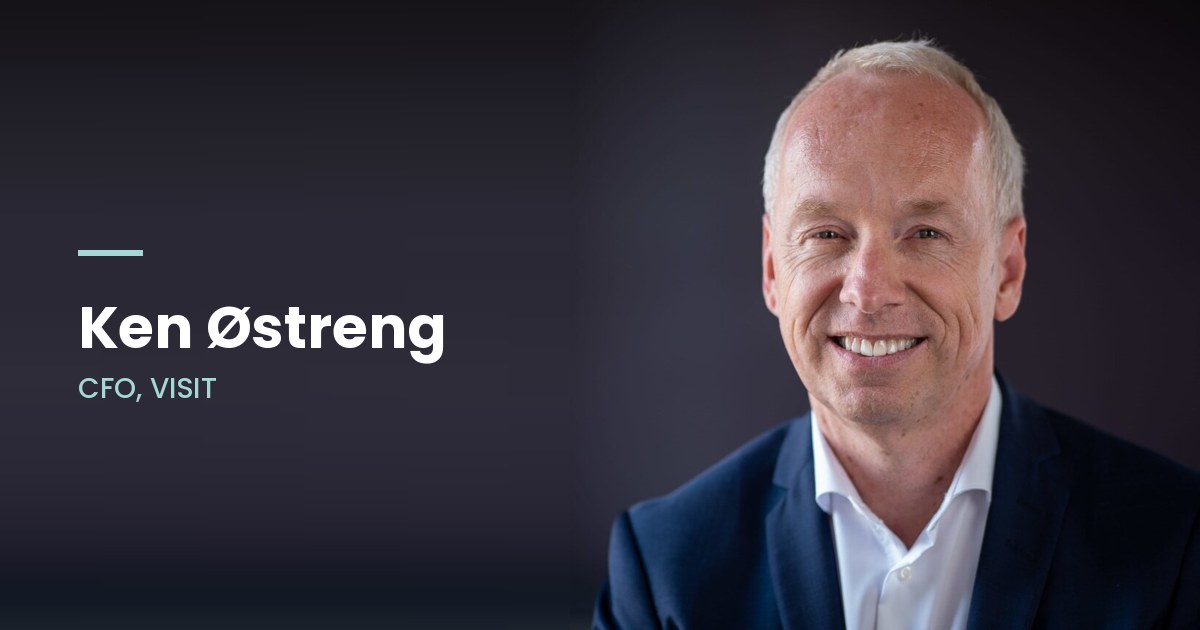
NetSuite implementation in the Nordics: how VISIT scaled its ERP across multiple countries
VISIT went from a NetSuite implementation in Sweden to a full ERP rollout across the Nordics. CFO Ken Østreng on multi-entity, data readiness and choosing a Nordic partner.

When Is NetSuite the Right ERP System – and When Is It Not?
Changing an ERP system is rarely [...]
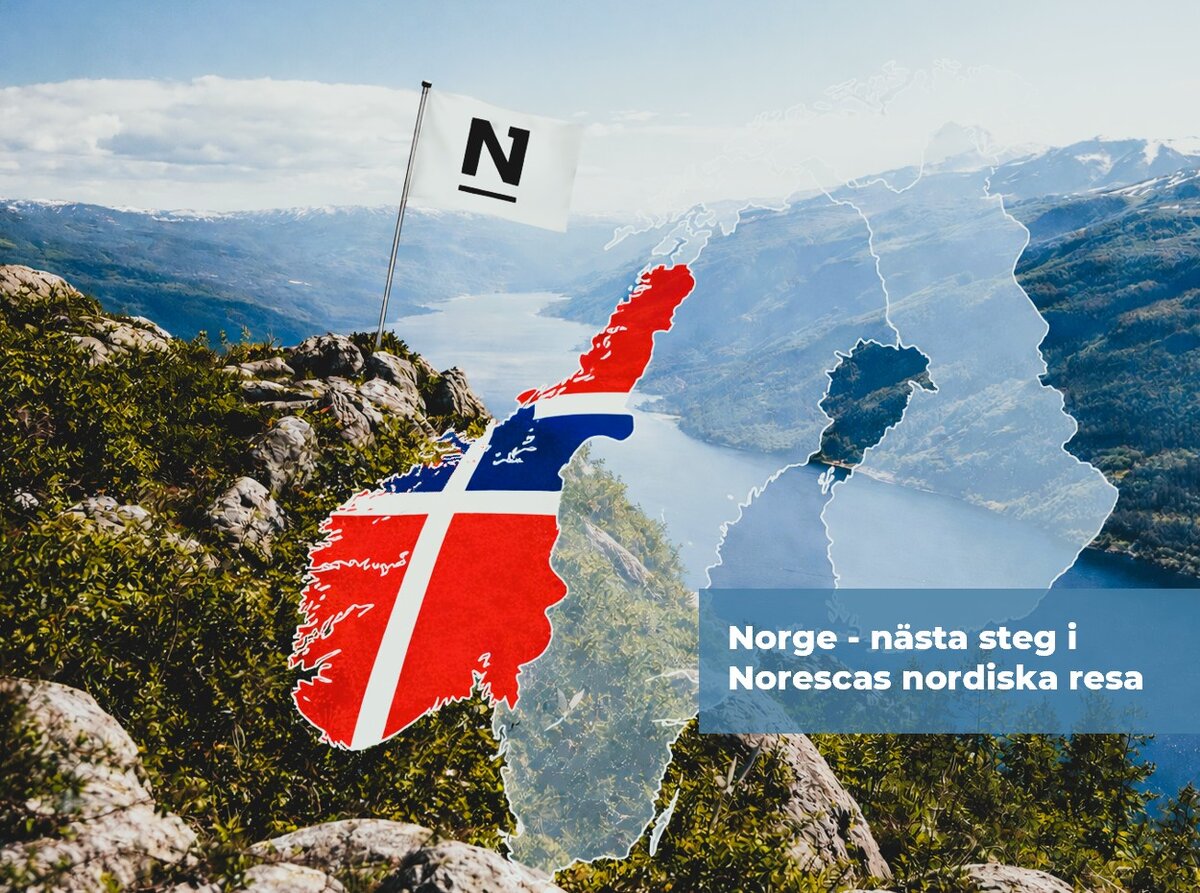
Noresca establishes operations in Norway – continues its Nordic expansion
Noresca establishes operations in Norway and [...]
NetSuite implementation in the Nordics: how VISIT scaled its ERP across multiple countries
VISIT went from a NetSuite implementation in Sweden to a full ERP rollout across the Nordics. CFO Ken Østreng on multi-entity, data readiness and choosing a Nordic partner.

When Is NetSuite the Right ERP System – and When Is It Not?
Changing an ERP system is rarely [...]
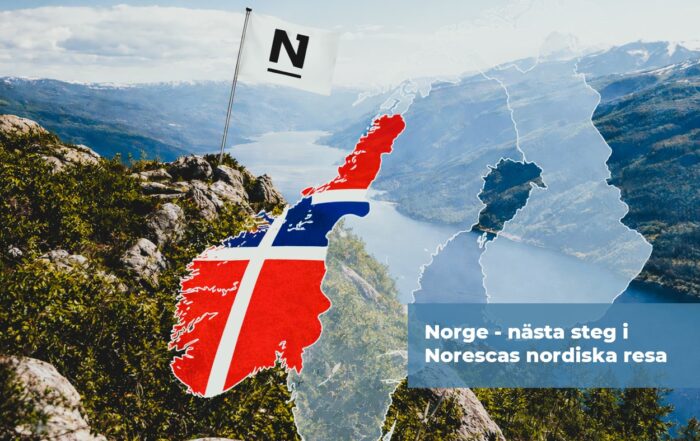
Noresca establishes operations in Norway – continues its Nordic expansion
Noresca establishes operations in Norway and [...]

2025-08-29
When Fortnox and Visma are not enough – why growth companies choose NetSuite for international expansion
An interview with Ulf-Björn Rönn, Financial Architect & Sales, Noresca
When the company grows – but the system stands still
More and more Swedish companies are moving from their home market to several countries. Systems like Fortnox and Visma have served them well in the start-up and expansion phase in Sweden. But as requirements shift to group structures, multiple currencies and local tax rules, a patchwork of links and spreadsheets is rarely enough.
In this interview with Ulf-Björn Rönn, Financial Architect & Sales at Noresca, find out why many growth companies are switching to NetSuite – and how to make it business-driven, scalable and risk-controlled.
Why is Fortnox (and similar systems) not enough when going outside Sweden?
Ulf-Björn:
Systems like Fortnox, Visma and other Nordic solutions are excellent for Swedish small businesses. They are easy to get started with and work well for invoicing and accounting in a market.
But as the company grows – with subsidiaries, multiple currencies and countries with different tax rules – the limitations start to show. Many try to cover up with integrations, Excel exports and manual workarounds.
It works – until it doesn’t. The biggest cost is rarely the license, but the time: reconciliations, sources of error and delayed decision-making.
That’s where a global ERP like NetSuite comes in.
Which business requirements change first when internationalizing?
Ulf-Björn:
Five recurring areas stand out:
- Multi-entity and consolidated accounts. Legal entities per country require group structure, intercompany flows and automatic eliminations.
- Multi-currency and FX management. Transactions, revaluations and reporting in both local and group currencies.
- Tax and compliance. Different VAT rules, reporting formats and often e-invoice/CTC requirements; solving this with plugins quickly becomes complex.
- Governance and roles. Authorizations, authorization flows and traceability must scale and be audit-proof.
- Transparency in real time. Management needs the same truth regardless of country: margins by market, cash flow, inventory and accounts receivable without manual consolidation.
What makes NetSuite different in practice?
Ulf-Björn:
NetSuite is built for “multi-everything” from the start. With OneWorld, you get legal entities, local regulations, multiple currencies and group reporting in the same data model.
Intercompany invoices can be created automatically, eliminations are made in the consolidation and you get results per market in real time.
Tax management is supported by SuiteTax and localizations, while SuiteAnalytics provides management reports without exporting to Excel.
Processes are secured in SuiteFlow and approvals with full traceability. For teams selling, buying and stocking across borders, the difference is that everything is connected – order-to-cash and procure-to-pay become global processes, not local islands.
Is there a risk of switching too early?
Ulf-Björn:
You should change when the complexity – not the turnover – requires it.
Two clear signals are:
- Monthly accounts are delayed because consolidation and revaluations take place outside the system
- Each new country requires another special integration
When the number of manual steps grows faster than the business, it’s time.
What does a healthy migration journey look like – without parallel driving?
Ulf-Björn:
We advocate a business-driven cut-over without parallel running, but with rigorous risk control:
- Pre-study & target image: Map processes, define data model and group structure, and select a minimum lovable scope for first go-live.
- Design & Configuration: Set up OneWorld, currency and tax settings, permissions and authorization flows. Only build integrations that create clear benefits.
- Data migration with quality gates: Migrate open records and relevant history with clear control reports (e.g. TB, AR/AP, stock).
- Dry simulations: Run end-to-end flows in test environment – order-to-cash, purchase-to-pay, financial statements, eliminations – with representative datasets.
- Cut-over checklist & blackout window: Lock legacy, migrate open records and launch in NetSuite with ready-made dashboards, roles and report packages.
- Governance & improvement: After go-live, improvements are prioritized in waves – reporting, planning, next country.
What common mistakes should you avoid?
Ulf-Björn:
The biggest mistake I see is trying to recreate the old in a new system. But an ERP change is not a copy – it’s a chance to build right from the start. And that starts with avoiding these classic pitfalls.
- To start in integrations. Start in the data model and process – only then do you connect to the outside world.
- Not taking advantage of the implementer’s industry and international experience. Don’t miss out on reusing tried and tested process patterns, localization practices and reporting packages that already work in other countries.
- To “bring everything” historically. Too much history delays and creates noise; select data needed for comparability and analysis.
- Lack of ownership. Decide early on who owns the group structure, chart of accounts and reporting package.
“The biggest mistake? Trying to replicate the old in the new system. But an ERP change is not a copy – it’s a chance to build smarter from scratch.”
How is the finance and accounting team affected?
Ulf-Björn:
They get fewer manual steps and more time for analysis. Eliminations, revaluations and reconciliations are done automatically. Dashboards provide KPIs per country, product and customer – in real time. The role shifts from ‘compiler’ to ‘business partner’.
How do you reason about cost versus benefit?
Ulf-Björn:
License and implementation costs must be weighed against total cost of operations:
- Time in financial statements
- rock risk
- Delays in decision-making
- The cost of keeping several local systems together
NetSuite replaces many peripheral solutions and creates economies of scale – a new country becomes a configuration, not a new IT project.
How to measure the impact after the switch?
Ulf-Björn:
Put both leading and lagging measures:
Leading indicators:
- Days to close the accounts
- Share of automatic reconciliations
- Time from order to invoice
- Number of manual records
Lagging indicators:
- Cassacycle (DSO/DPO)
- Gross margin by country
- Stock turnover
- Forecast deviation
With SuiteAnalytics, you can follow all this in real time – without parallel Excel models.
Your advice to a CFO/CEO facing the decision?
Ulf-Björn:
Formulate a growth case, not an IT case.
Be clear about:
- Which countries are next?
- Which processes must be global
- What reporting the board requires
Choose a partner who understands group accounting, tax and process – not just technology. And rather start focused and expand after go-live.
Three reasons to switch business systems when expanding internationally?
- Group and multi-currency without patchwork
NetSuite OneWorld manages legal entities, consolidation and FX in the core – not in Excel. - Global compliance from the start
Local VAT and reporting requirements, e-invoicing and traceability are all in one platform. - Real-time decision support
A version of the truth for management and teams – by country, product and customer.
👤 Briefly about Ulf-Björn Rönn
Ulf-Björn has worked as CFO in international e-commerce, with responsibility for expansion into new markets, group accounting, multi-currency management and compliance.
He has also held board positions in both the energy sector and private companies, providing a broad perspective on governance, reporting and financial control
Today he is Financial Architect & Partner at Noresca, where he helps growing companies make smarter, faster and safer ERP journeys – with NetSuite as the platform and the business as the compass.
📞 Want to have a first conversation?
Are you wondering if NetSuite is the right next step for you?
Or how to best handle expansion into new markets with multiple currencies, companies and regulations?
Ulf-Björn has stood in the CFO shoes himself – and today helps other growth companies to scale smartly with NetSuite.
Contact him directly at: ulf-bjorn.ronn@noresca.se
Or fill out our contact formand we will get back to you.